Delve into the world of eco friendly siding options, where sustainability meets style. Discover the key to enhancing your home while reducing your environmental impact.
Learn about the different types of eco-friendly siding materials, their benefits, installation tips, and innovative design ideas that can transform your living space.
Types of Eco-Friendly Siding Options
When it comes to eco-friendly siding options, there are several materials available in the market that offer sustainability features along with cost-effectiveness.
1. Recycled Vinyl Siding
Recycled vinyl siding is made from recycled materials, reducing waste and energy usage in production. It is durable, low maintenance, and comes in various styles and colors. While it may not be the most environmentally friendly option, it is cost-effective and widely available.
2. Wood Siding
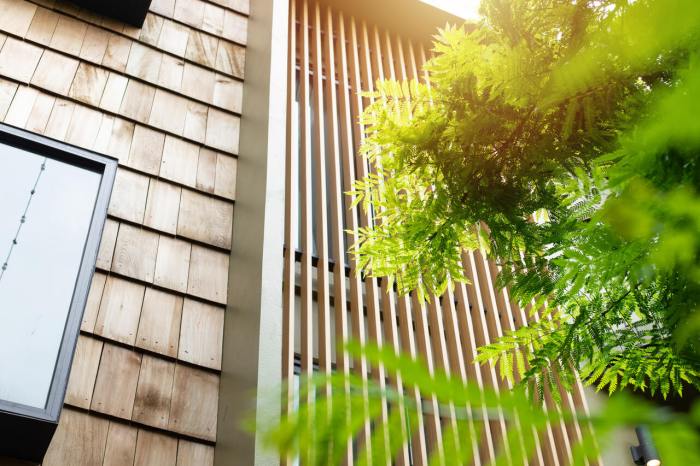
Wood siding is a natural and renewable resource that can be sustainably sourced. It provides a classic look and can be recycled or repurposed at the end of its lifespan. However, it requires regular maintenance and may be more expensive upfront compared to other options.
3. Fiber Cement Siding
Fiber cement siding is a blend of cement, sand, and cellulose fibers, making it durable and resistant to fire, insects, and rot. It is low maintenance, long-lasting, and can be recycled. Although it is heavier and may require professional installation, it offers excellent value for its longevity.
4. Metal Siding
Metal siding, such as aluminum or steel, is recyclable and often contains recycled content. It is durable, weather-resistant, and can be painted or coated for added protection. While it may have a higher upfront cost, its longevity and energy efficiency make it a sustainable option in the long run.
5. Engineered Wood Siding
Engineered wood siding is made from wood fibers and other sustainable materials, offering the look of natural wood with enhanced durability and resistance to moisture and pests. It is eco-friendly, cost-effective, and easy to install, making it a popular choice for homeowners looking for a sustainable siding option.
Benefits of Using Eco-Friendly Siding
Choosing eco-friendly siding materials offers a range of benefits that not only contribute to a healthier environment but also provide advantages for homeowners in terms of energy efficiency, durability, and maintenance.
Environmental Benefits
- Reduces carbon footprint: Eco-friendly siding materials are typically made from sustainable sources or recycled materials, which helps in reducing the overall carbon footprint associated with construction.
- Preserves natural resources: By opting for siding options that are environmentally friendly, you are contributing to the conservation of natural resources and promoting sustainable practices in the building industry.
- Less waste generation: Eco-friendly siding materials often generate less waste during manufacturing and installation processes, further minimizing their impact on the environment.
Energy Efficiency
- Improved insulation: Eco-friendly siding options like insulated vinyl or fiber cement can enhance the insulation of your home, reducing heat loss in winter and heat gain in summer, leading to lower energy consumption for heating and cooling.
- Energy cost savings: With better insulation properties, eco-friendly siding can help lower your energy bills by maintaining a more consistent indoor temperature throughout the year.
- Less reliance on heating and cooling systems: By improving the thermal efficiency of your home, eco-friendly siding can reduce the need for constant heating or cooling, resulting in lower energy usage and reduced greenhouse gas emissions.
Durability and Maintenance
- Longer lifespan: Eco-friendly siding materials are often more durable and resistant to weathering, rot, and pests, which means they can last longer without the need for frequent replacements.
- Low maintenance requirements: Many eco-friendly siding options are designed to be low maintenance, requiring minimal upkeep such as occasional cleaning or inspections, saving you time and money in the long run.
- Cost-effective over time: While eco-friendly siding materials may have a higher upfront cost, their durability and low maintenance needs can result in cost savings over the lifespan of your home.
Installation and Maintenance Tips
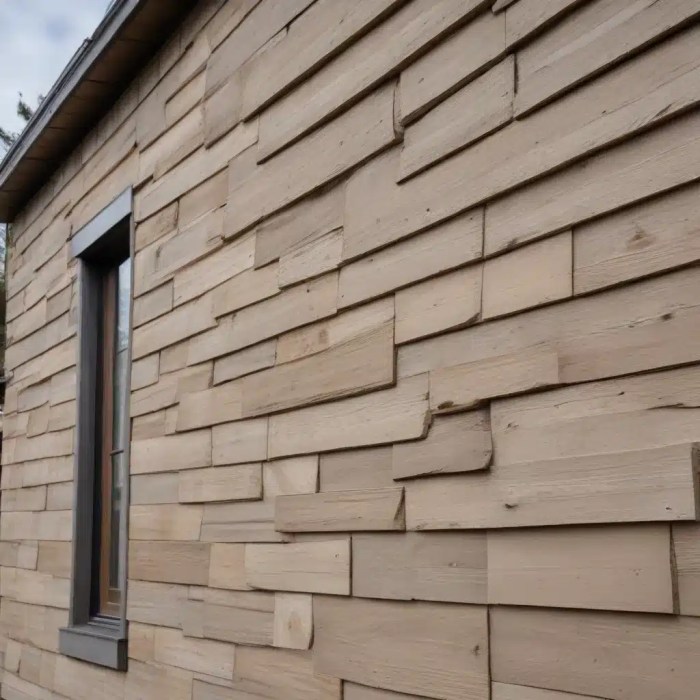
Installing and maintaining eco-friendly siding is crucial for the longevity and sustainability of your home. Follow these step-by-step guidance and tips to ensure proper installation and maintenance of eco-friendly siding materials.
Installation Tips
- Prepare the surface: Make sure the surface where the siding will be installed is clean, dry, and free of any debris.
- Use the right tools: Depending on the type of eco-friendly siding you choose, you may need specific tools such as a saw, hammer, nails, or screws.
- Follow manufacturer guidelines: Always refer to the manufacturer's instructions for proper installation techniques and best practices.
- Secure the siding: Ensure the siding is securely fastened to prevent any gaps or warping over time.
Maintenance Tips
- Regular cleaning: Keep your eco-friendly siding clean by washing it with a mixture of water and mild detergent to remove dirt and grime.
- Inspect for damage: Regularly inspect the siding for any signs of damage, such as cracks or loose panels, and repair them promptly.
- Paint or seal: Depending on the type of siding material, consider painting or sealing it to protect it from the elements and prolong its lifespan.
- Trim vegetation: Trim any vegetation near the siding to prevent mold or mildew growth and ensure proper airflow.
Eco-Friendly Siding Design Ideas
When it comes to eco-friendly siding design ideas, there are numerous innovative concepts that can be explored to enhance the aesthetic appeal of a home while also promoting sustainability. By incorporating different eco-friendly siding options, homeowners can not only improve the look of their property but also contribute to a greener environment.
Incorporating Natural Elements
One sustainable design principle that can be incorporated with eco-friendly siding is the use of natural elements such as wood, bamboo, or cork. These materials not only add a unique and organic touch to the exterior of a home but also help reduce the carbon footprint associated with traditional siding options.
Mixing Materials for Texture and Visual Interest
Another design idea is to mix different eco-friendly siding materials to create texture and visual interest. For example, combining reclaimed wood with metal panels or fiber cement can result in a modern and eclectic look that is both stylish and environmentally friendly.
Vertical Gardens or Living Walls
For a truly innovative design concept, homeowners can consider incorporating vertical gardens or living walls into their eco-friendly siding. These green installations not only improve air quality and insulation but also serve as a striking design feature that blends nature with architecture.
Ultimate Conclusion
As we wrap up our exploration of eco-friendly siding options, remember that making a choice for the environment can also mean making a choice for your home's longevity and aesthetics. Embrace sustainability without compromising on style.
FAQ Section
What are the benefits of eco-friendly siding?
Eco-friendly siding materials offer environmental advantages, contribute to energy efficiency, and provide durable, low-maintenance options for homeowners.
How do I maintain eco-friendly siding?
To maintain eco-friendly siding, regularly clean it with a gentle soap solution, inspect for damage, and address any issues promptly to ensure longevity.
Are eco-friendly siding options cost-effective?
While initial costs may vary, eco-friendly siding options often provide long-term savings through energy efficiency and reduced maintenance requirements.