Delving into the realm of commercial siding and roofing services, this guide aims to shed light on the importance of quality materials and expert installation. From the impact on energy efficiency to the longevity of properties, every aspect is explored in depth.
Moving forward, let's uncover the various types of siding materials and roofing options available for commercial buildings, along with the benefits of regular maintenance and inspections.
Importance of Commercial Siding and Roofing Services
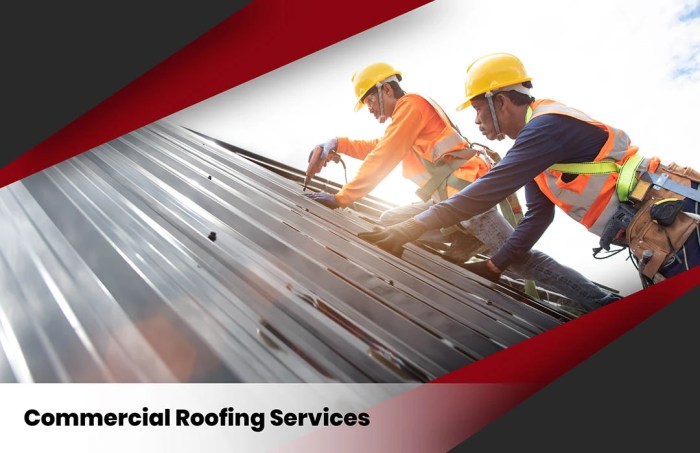
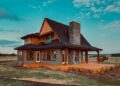
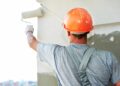
Proper siding and roofing are essential components of maintaining a commercial building. They not only protect the structure from external elements but also contribute to its overall longevity and energy efficiency.
Impact of Durable Siding and Roofing
Durable siding and roofing materials play a crucial role in the longevity of a commercial property. High-quality materials can withstand harsh weather conditions, preventing water damage, mold growth, and structural deterioration. This not only protects the building itself but also helps maintain a safe and comfortable environment for occupants.
Enhancing Energy Efficiency
Proper installation of siding and roofing can significantly enhance the energy efficiency of a commercial building. By ensuring a tight seal and adequate insulation, businesses can reduce energy loss through the roof and walls. This can lead to lower energy bills and a more sustainable operation in the long run.
Types of Siding Materials for Commercial Buildings
When it comes to commercial siding, there are several materials to choose from, each with its own set of characteristics, pros, and cons. Let's take a closer look at some common siding materials used for commercial buildings:
Vinyl Siding
Vinyl siding is one of the most popular choices for commercial buildings due to its affordability and low maintenance requirements. It is available in a variety of colors and styles, making it a versatile option. However, vinyl siding may crack or fade over time, and it is not as durable as other materials.
Metal Siding
Metal siding, typically made of aluminum or steel, is known for its strength and durability. It is resistant to fire, pests, and rot, making it a long-lasting option for commercial buildings. However, metal siding can dent easily and may require repainting over time.
Wood Siding
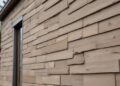
Wood siding offers a natural and classic look to commercial buildings. It is environmentally friendly and can be easily painted or stained to match the building's aesthetic. However, wood siding is prone to rot, pests, and requires regular maintenance to prevent damage.
Fiber Cement Siding
Fiber cement siding is a durable and low-maintenance option for commercial buildings. It is resistant to fire, pests, and rot, making it a long-lasting choice. Fiber cement siding is available in a variety of colors and styles, but it can be more costly than other materials.Each type of siding material has its own unique characteristics and considerations, so it's essential to choose the one that best fits the needs of your commercial building.
Roofing Options for Commercial Properties
When it comes to roofing options for commercial properties, there are several choices available depending on the specific needs of the building. Each type of roofing material comes with its own set of advantages and maintenance requirements, so it's important to understand the differences between them before making a decision.Flat Roofs:Flat roofs are a popular choice for commercial buildings due to their cost-effectiveness and ease of installation.
They provide a sleek, modern look and ample space for rooftop equipment such as HVAC units. However, flat roofs require regular maintenance to prevent water pooling and leaks, as the lack of slope can lead to water damage if not properly managed.Metal Roofs:Metal roofs are known for their durability and longevity, making them a great investment for commercial properties.
They are resistant to fire, rot, and insect damage, and can last up to 50 years with proper maintenance. Metal roofs are also energy-efficient, reflecting sunlight to reduce cooling costs
They are affordable and easy to install, with a wide range of colors and styles to choose from. Shingle roofs are also relatively low maintenance, with periodic inspections and repairs needed to ensure longevity. However, they may not be as durable as metal roofs and can be prone to damage in severe weather conditions.Overall, the choice of roofing material for a commercial property will depend on factors such as budget, climate, and aesthetic preferences.
Regular maintenance and inspections are key to ensuring the longevity and performance of any type of commercial roof.
Benefits of Regular Maintenance and Inspections
Regular maintenance and inspections are crucial for the longevity and performance of commercial siding and roofing. By staying proactive and addressing any issues promptly, businesses can avoid costly repairs and ensure the safety of their employees and customers.
Preventing Costly Repairs
Routine inspections allow for the early detection of any damage or wear and tear on the siding and roofing of commercial buildings. By identifying issues early on, businesses can address them before they escalate into major problems that require expensive repairs.
This proactive approach can save companies a significant amount of money in the long term.
- Inspect the siding and roofing regularly for signs of damage, such as cracks, leaks, or loose shingles.
- Address any issues immediately to prevent them from worsening and causing further damage.
- Consider hiring professional inspectors to conduct thorough assessments of the siding and roofing on a regular basis.
Extending Lifespan
Proper maintenance of commercial siding and roofing can help prolong their lifespan, saving businesses money in the long run. By following a regular maintenance schedule and taking care of any repairs promptly, companies can ensure that their siding and roofing last for many years to come.
- Clean the siding and roofing regularly to remove debris and prevent mold or mildew growth.
- Trim any overhanging branches or vegetation that could damage the siding or roofing.
- Ensure that gutters are clear of debris to prevent water damage to the siding and roofing.
Summary
In conclusion, maintaining top-notch siding and roofing for commercial properties is not just about aesthetics but also about functionality and durability. By following the tips provided and staying proactive with inspections, businesses can ensure their structures stand strong for years to come.
Essential FAQs
What are the common materials used for commercial siding?
Vinyl, metal, wood, and fiber cement are commonly used materials for commercial siding.
How can proper installation of siding and roofing enhance energy efficiency?
Proper installation helps in reducing air leakage and improving insulation, leading to better energy efficiency.
What are the differences between flat roofs, metal roofs, and shingle roofs for commercial buildings?
Flat roofs offer more space but require regular maintenance, metal roofs are durable but can be noisy, and shingle roofs are cost-effective but may need frequent repairs.
Why is regular maintenance important for commercial siding and roofing?
Regular maintenance helps in identifying issues early, preventing costly repairs, and extending the lifespan of siding and roofing.
How can businesses maintain commercial siding and roofing to prolong their lifespan?
Businesses can conduct regular inspections, clean gutters, trim trees near the property, and address any damages promptly to maintain siding and roofing.