Embark on a journey into the world of natural wood siding houses, where sustainability meets elegance in a harmonious blend. From the environmental benefits to the installation process, this guide covers everything you need to know about creating your dream wooden abode.
Delve into the realm of wood siding as we unravel the beauty and durability that this timeless material brings to residential architecture.
Benefits of Natural Wood Siding
When it comes to choosing siding for your house, natural wood siding offers a range of benefits that make it a popular option among homeowners.
Environmental Benefits
Natural wood siding is an environmentally friendly choice as it is a renewable resource. Unlike other materials that deplete natural resources, wood siding can be sustainably sourced, making it a more eco-friendly option for your home.
Aesthetic Appeal
Natural wood siding adds a warm and inviting look to your house, enhancing its overall aesthetic appeal. The natural grain and texture of wood create a timeless and classic charm that can increase the curb appeal of your home.
Durability and Longevity
Contrary to popular belief, natural wood siding is durable and can last for decades when properly maintained. With regular care and maintenance, wood siding can withstand the elements and outlast other materials like vinyl or aluminum siding. Additionally, wood can be repaired or replaced in sections if needed, making it a cost-effective choice in the long run.
Types of Wood for Siding
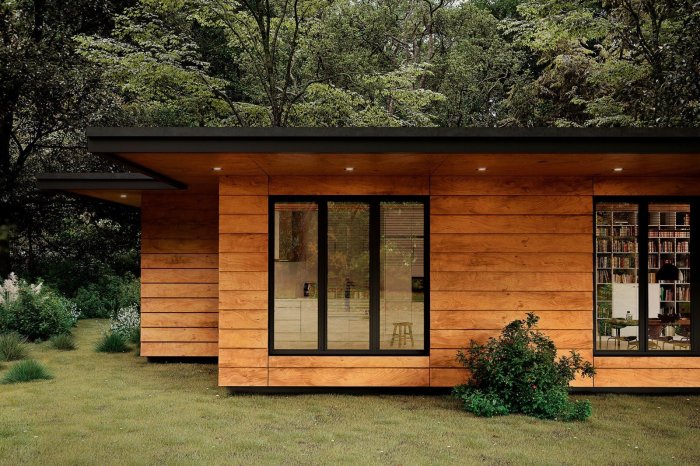
When it comes to natural wood siding, there are several popular types of wood that are commonly used due to their unique characteristics and aesthetic appeal. Each type of wood has its own advantages and considerations, including cost-effectiveness and maintenance requirements.
Cedar
Cedar is a popular choice for wood siding due to its natural resistance to decay and insects. It is lightweight, easy to work with, and can be stained or painted to achieve the desired look. While cedar siding may have a higher upfront cost, its durability and low maintenance requirements make it a cost-effective option in the long run.
Pine
Pine is another common wood used for siding, known for its affordability and availability. However, pine is more susceptible to rot and insect damage compared to cedar. Proper maintenance, such as regular painting or staining and sealing, is essential to prolong the lifespan of pine siding and prevent issues.
Redwood
Redwood is a premium choice for wood siding, prized for its rich color variations and natural resistance to decay and insects. While redwood siding may come with a higher price tag, its durability and low maintenance requirements make it a worthwhile investment for homeowners looking for a high-end finish.
Spruce
Spruce is a budget-friendly option for wood siding, offering a clean and uniform appearance. However, spruce is more prone to warping and splitting over time, requiring regular maintenance to ensure longevity. Proper sealing and finishing can help protect spruce siding from the elements and extend its lifespan.
Installation Process
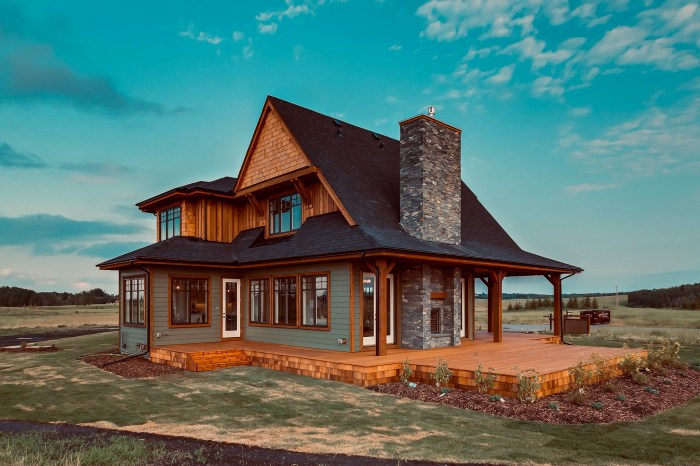
Installing natural wood siding on a house involves several steps to ensure a proper and long-lasting finish. Here is a detailed guide on the installation process, tools, materials, and tips for a successful project.
Step-by-Step Installation Process
- Prepare the surface: Ensure the exterior of the house is clean, dry, and free of any debris or old siding.
- Measure and cut the siding: Accurately measure the dimensions of each wall and cut the wood siding to fit using a saw.
- Apply the starter strip: Install a starter strip at the bottom of the wall to provide a secure base for the siding.
- Begin siding installation: Start at one corner of the wall and work your way horizontally, overlapping each piece of siding for proper water drainage.
- Secure the siding: Nail the siding to the wall studs using a nail gun or hammer, making sure to leave room for expansion and contraction.
- Finish the corners and trim: Use corner pieces and trim to complete the look and ensure a clean finish.
- Apply a protective finish: Once the siding is installed, apply a protective finish or sealant to prolong the life of the wood.
Tools and Materials Needed
- Wood siding
- Tape measure and saw
- Nail gun or hammer
- Nails or screws
- Starter strip
- Corner pieces and trim
- Protective finish or sealant
Tips for a Long-Lasting Installation
- Choose high-quality wood siding to ensure durability and resistance to rot and insects.
- Properly seal all edges and joints to prevent water infiltration and damage.
- Regularly inspect and maintain the siding to address any issues promptly and extend its lifespan.
- Follow manufacturer guidelines for installation and maintenance to avoid common mistakes and ensure optimal performance.
- Consider hiring a professional installer for complex projects or if you are unsure about the process.
Finishes and Treatments
When it comes to natural wood siding, choosing the right finish and treatment is crucial for both enhancing the appearance and ensuring longevity of the siding.
Different Finishes for Natural Wood Siding
There are various finishes available for natural wood siding, each with its unique impact on the appearance of the wood. Here are some common finishes:
- Paint: Provides a solid color to the wood, offering protection against UV rays and moisture. It requires regular maintenance and repainting over time.
- Stain: Enhances the natural beauty of the wood grain while providing protection against elements like moisture and UV rays. Stains come in various shades to suit different preferences.
- Clear Sealant: Offers a transparent finish that allows the natural beauty of the wood to shine through while protecting it from moisture and UV exposure.
Importance of Treating Wood Siding
Treating natural wood siding is essential to protect it from environmental elements like moisture, sunlight, and pests. Without proper treatment, wood siding can warp, rot, or become discolored over time.
Maintenance Needs of Painted vs. Stained Wood Siding
Painted wood siding typically requires more maintenance compared to stained wood siding. While paint provides a durable protective layer, it may chip or peel over time, requiring repainting. On the other hand, stained wood siding needs reapplication of stain to maintain its appearance and protective qualities.
Last Point
In conclusion, natural wood siding houses offer a perfect combination of aesthetics, longevity, and eco-friendliness. With the right knowledge and care, your wooden facade can stand the test of time, adding a touch of natural charm to your home for years to come.
Question Bank
Is natural wood siding environmentally friendly?
Yes, natural wood siding is a sustainable choice as it is a renewable resource and has a lower carbon footprint compared to other materials.
Which wood species are commonly used for siding?
Cedar, redwood, and pine are popular choices for wood siding due to their natural resistance to decay and insects.
How often does wood siding need to be maintained?
Wood siding should be inspected annually and refinished every 3-7 years to maintain its appearance and protective qualities.