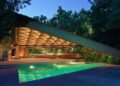
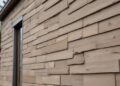
Embark on a journey through the iconic Lautner House: A Masterpiece of Modern Architecture. Dive into the history, significance, and unique features that make this architectural gem stand out from the rest.
Explore the architect's vision and key influences that shaped the creation of this renowned structure.
Introduction to the Lautner House
The Lautner House, designed by renowned architect John Lautner, stands as a masterpiece of modern architecture that has left a lasting impact on architectural design. This iconic house, located in Los Angeles, California, has become a symbol of innovation and creativity in the field of architecture.Considered a masterpiece for its groundbreaking design and structural ingenuity, the Lautner House showcases Lautner's unique approach to blending nature with modernist principles.
The house seamlessly integrates into its natural surroundings, creating a harmonious relationship between the built environment and the landscape.One of the key features that set the Lautner House apart is its distinctive organic architecture, characterized by sweeping curves, expansive glass walls, and innovative use of concrete.
The house's futuristic design challenges traditional notions of space and form, pushing the boundaries of what is possible in architectural design.John Lautner, the visionary architect behind the Lautner House, was heavily influenced by his mentor Frank Lloyd Wright, whose principles of organic architecture and integration with nature are evident in the design of the house.
Lautner's relentless pursuit of innovation and his commitment to creating spaces that inspire awe and wonder are reflected in the Lautner House, making it a true masterpiece of modern architecture.
Architectural Design Elements
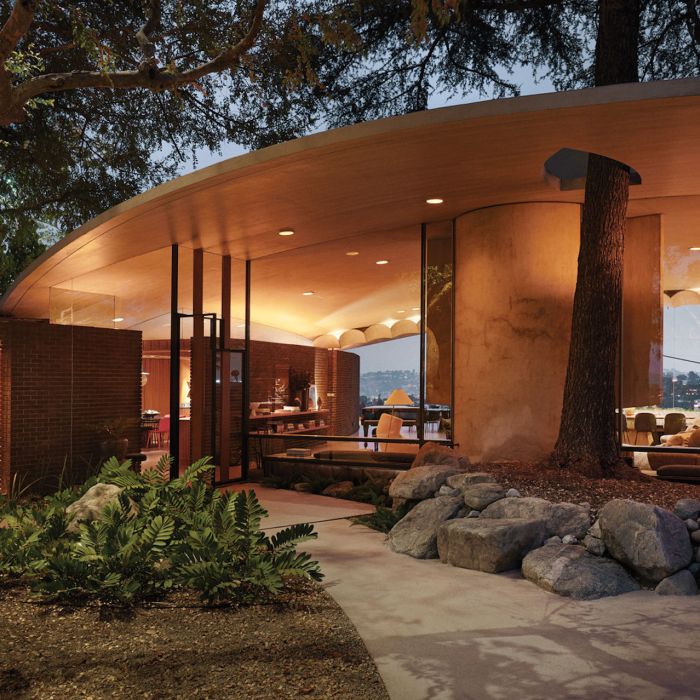
The Lautner House, a masterpiece of modern architecture, showcases a variety of design elements that set it apart from traditional structures. From the innovative use of materials to the unique shapes and textures, every aspect of the Lautner House's design is carefully considered to create a harmonious blend with its natural surroundings.
Materials, Shapes, and Textures
The Lautner House is characterized by its extensive use of concrete, glass, and wood, which are seamlessly integrated to create a sleek and modern aesthetic. The sharp angles and clean lines of the structure, combined with the expansive glass walls, give the house a sense of openness and transparency.
The use of natural materials like wood adds warmth and texture to the overall design, creating a welcoming and organic feel.
Blend with Natural Surroundings
One of the most striking aspects of the Lautner House is how its design seamlessly blends with its natural surroundings. The large glass windows not only provide panoramic views of the surrounding landscape but also allow natural light to flood the interior spaces.
The use of earthy materials and a color palette inspired by nature further enhance the connection between the house and its environment, creating a sense of harmony and tranquility.
Comparison with Other Modern Architectural Styles
In comparison to other modern architectural styles, the design principles of the Lautner House stand out for their emphasis on blending form with function. Unlike some minimalist structures that prioritize simplicity and austerity, the Lautner House strikes a balance between innovation and practicality.
The use of unconventional shapes and materials, combined with a deep respect for the natural environment, sets the Lautner House apart as a true masterpiece of contemporary design.
Interior Design and Spatial Layout
The interior design of the Lautner House is a testament to modern architectural innovation, seamlessly blending form and function to create a harmonious living space that reflects the surrounding natural beauty.
Interior Design Concept
The interior design concept of the Lautner House revolves around the idea of bringing the outdoors in. Large floor-to-ceiling windows and open floor plans allow for a seamless connection with the surrounding landscape, blurring the boundaries between indoor and outdoor spaces.
The use of natural materials such as wood and stone further enhances this connection, creating a warm and inviting atmosphere throughout the house.
Spatial Layout and Functionality
The spatial layout of the Lautner House was carefully considered to optimize functionality while maximizing natural light and ventilation. The open floor plan allows for flexible use of space, with designated areas for living, dining, and sleeping that flow seamlessly into one another.
The strategic placement of windows and skylights ensures that natural light floods the interior spaces, creating a bright and airy environment. Additionally, cross ventilation and thermal mass principles were employed to promote natural air circulation and regulate indoor temperatures.
Integration of Indoor and Outdoor Living Areas
The Lautner House seamlessly integrates indoor and outdoor living areas, blurring the distinction between the two. Large sliding glass doors open up to expansive terraces and outdoor patios, creating a seamless transition from the interior to the exterior. Outdoor living spaces are equipped with amenities such as seating areas, fire pits, and swimming pools, allowing residents to fully embrace the natural surroundings and enjoy the stunning views of the landscape.
Influence on Modern Architecture
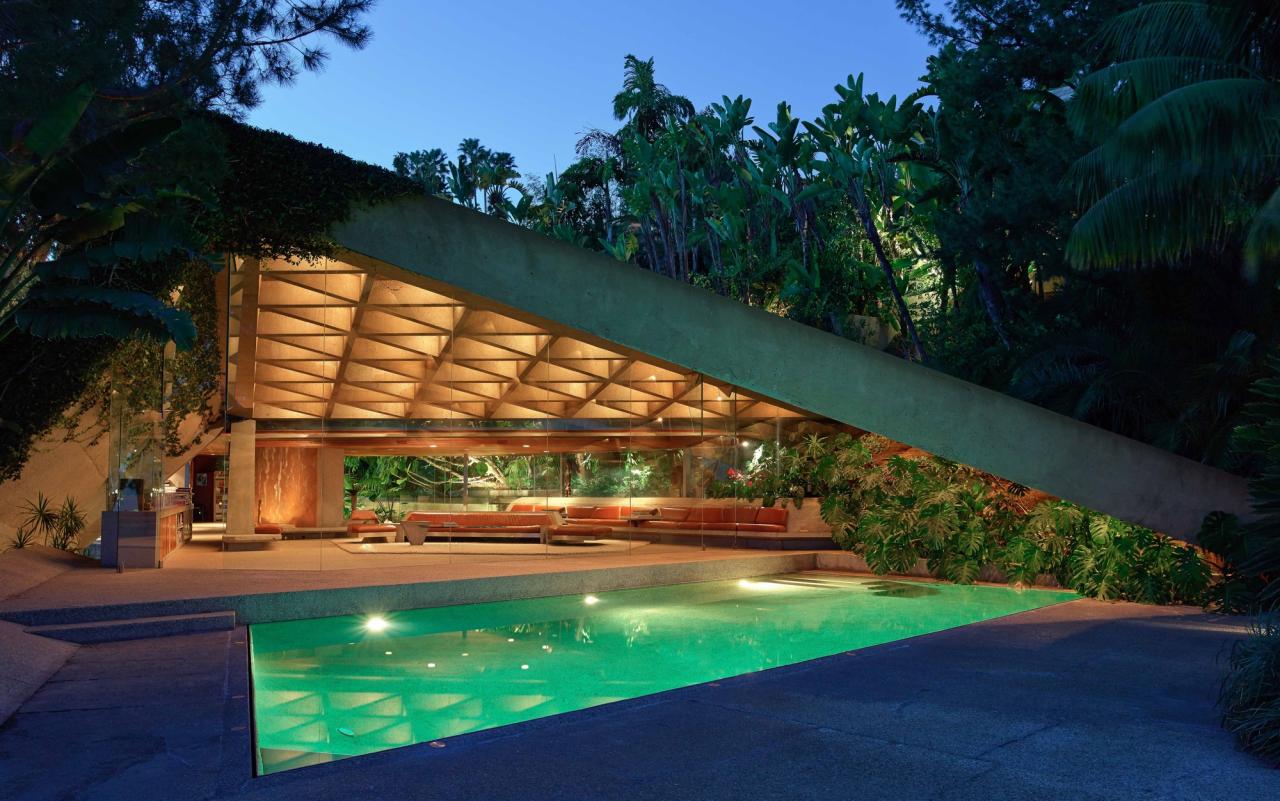
The Lautner House, with its innovative design and architectural principles, has significantly influenced modern architecture in various ways.
Architectural Innovation and Inspiration
The design principles of the Lautner House, such as its seamless integration with the surrounding environment, use of natural materials, and emphasis on geometric shapes, have inspired architects worldwide. The concept of blurring the lines between indoor and outdoor spaces, as seen in the Lautner House, has become a popular trend in contemporary architecture.
Sustainability and Green Architecture
The Lautner House's design also highlights sustainability aspects that are crucial in today's architecture. The use of natural ventilation, passive solar design, and sustainable materials in the construction of the house has set a benchmark for green architecture. Many architects have looked to the Lautner House as a model for creating environmentally friendly structures that minimize their impact on the environment.
Challenges and Criticisms
Despite its acclaim, the Lautner House has faced criticism in the architectural community. Some critics argue that the house's design may not be practical for everyday living or that its unique features are too extravagant for mass adoption. Additionally, the challenges of maintaining and preserving such a distinctive architectural masterpiece have been a point of contention in architectural circles.
Last Point
In conclusion, the Lautner House remains a beacon of modern architectural brilliance, inspiring and influencing the architectural landscape. Its blend of design elements, interior concepts, and impact on sustainability continue to captivate enthusiasts worldwide.
Common Queries
What makes the Lautner House a masterpiece?
The Lautner House is considered a masterpiece due to its innovative design elements, seamless integration with nature, and lasting influence on modern architecture.
Who was the architect behind the creation of the Lautner House?
The Lautner House was designed by renowned architect John Lautner, known for his visionary approach to architectural design.
How has the Lautner House influenced contemporary architectural practices?
The design principles of the Lautner House have inspired architects worldwide, shaping the way modern architecture is approached and executed.