Exploring the world of heat and air repair, this guide delves into the common issues faced by homeowners and the essential steps to keep your HVAC system running smoothly. From diagnosing problems to the importance of timely repairs, this article covers it all.
In the following sections, we will discuss the HVAC repair process, the significance of immediate attention to repairs, and the DIY versus professional repair dilemma that many homeowners encounter.
Common Issues in Heating and Air Systems
Heating and air systems are essential for maintaining a comfortable indoor environment, but they can encounter various problems over time. Understanding the common issues that homeowners face with these systems is crucial for timely repairs and maintenance.
Warning Signs of Potential Problems
- Uneven heating or cooling throughout the house
- Loud or unusual noises coming from the system
- Increased energy bills without a clear reason
- Frequent cycling on and off of the system
- Foul odors or musty smells when the system is running
Importance of Regular Maintenance
Regular maintenance is key to preventing major issues with heating and air systems. By scheduling routine inspections and tune-ups, homeowners can ensure that their systems are running efficiently and identify potential problems before they escalate into costly repairs. Maintenance tasks such as changing filters, cleaning ducts, and inspecting components can significantly extend the lifespan of the system and improve its overall performance.
HVAC Repair Process
When it comes to HVAC repair, technicians follow a systematic process to diagnose and fix issues in heating and air systems. Understanding this process can help homeowners know what to expect when scheduling a repair service.
Diagnosing Problems
Professionals start by conducting a thorough inspection of the HVAC system to identify the root cause of the problem. This may involve checking for leaks, testing electrical connections, and examining components for wear and tear. By using diagnostic tools and their expertise, technicians can pinpoint the issue accurately.
Tools and Equipment
Technicians rely on a variety of tools and equipment to carry out HVAC repairs effectively. Some common tools include multimeters for measuring electrical currents, pressure gauges for checking refrigerant levels, and infrared thermometers for temperature readings. Additionally, specialized equipment such as leak detectors and combustion analyzers help in diagnosing specific issues in heating and air systems.
Importance of Timely Repairs
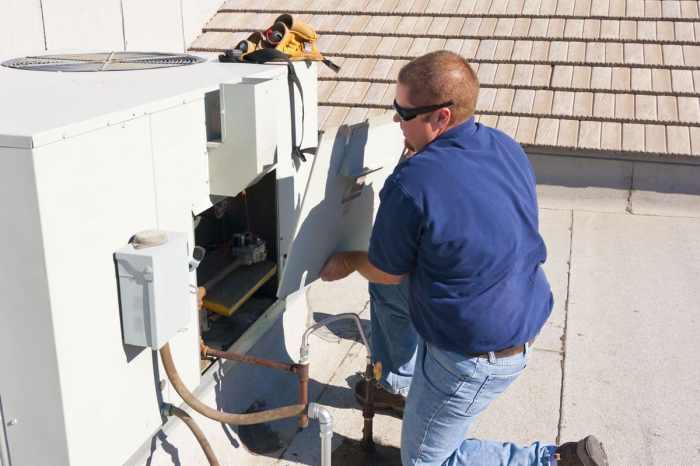
When it comes to heating and air systems, timely repairs play a crucial role in maintaining the efficiency and longevity of the HVAC units. Neglecting repair issues can lead to a domino effect of problems that can impact not only the comfort of your home but also your safety and wallet.
Potential Risks of Delaying Repairs
Delaying repairs in HVAC systems can result in a range of issues that can escalate quickly. For example, a minor issue such as a clogged filter or a faulty thermostat can lead to a decrease in system performance, causing your unit to work harder and consume more energy.
This not only increases your utility bills but also puts unnecessary strain on the system, potentially leading to more significant and costly repairs down the line.
Impact of Neglected Maintenance on System Efficiency and Longevity
Neglected maintenance can significantly affect the efficiency and longevity of your heating and air system. By ignoring regular maintenance tasks such as cleaning, lubricating moving parts, and checking for leaks, you are allowing dirt and debris to accumulate, hindering the system's performance.
This can result in reduced airflow, uneven heating or cooling, and even complete system failure. Additionally, neglected maintenance can shorten the lifespan of your HVAC unit, leading to premature replacement and additional expenses.
DIY vs. Professional Repair
When it comes to repairing your heating and air systems, homeowners often face the dilemma of whether to attempt a do-it-yourself (DIY) fix or hire a professional technician. Both options have their own set of advantages and disadvantages, so it's important to weigh them carefully before making a decision
Advantages and Disadvantages
- DIY Repairs:
- Advantages:
- Cost-effective as you save on labor charges
- Flexibility to work on the repair at your own pace
- Sense of accomplishment in fixing the issue yourself
- Disadvantages:
- Can lead to further damage if not done correctly
- Risk of voiding warranties if unauthorized repairs are attempted
- May lack the expertise to diagnose complex issues
- Advantages:
- Professional Repairs:
- Advantages:
- Trained technicians with expertise in diagnosing and fixing issues
- Access to specialized tools and equipment
- Guarantee on the work done for added peace of mind
- Disadvantages:
- Higher cost due to labor charges
- Dependency on technician availability
- Less involvement in the repair process compared to DIY
- Advantages:
Simple Maintenance Tasks for Homeowners
Performing regular maintenance tasks on your heating and air systems can help prevent major issues and extend the lifespan of your equipment. Here are some simple tasks that homeowners can easily handle on their own:
- Cleaning or replacing air filters regularly
- Checking and clearing debris around outdoor units
- Inspecting ductwork for leaks or blockages
- Testing thermostat settings for accuracy
- Ensuring proper airflow by keeping vents and registers unobstructed
When to Call a Professional
While DIY maintenance is beneficial for routine tasks, there are times when it's best to call a professional for complex heating and air repairs. It's advisable to seek professional help in the following situations:
- When the system is not providing adequate heating or cooling
- If there are strange noises or odors coming from the system
- When the system is leaking water or refrigerant
- In case of electrical issues or malfunctions
- For any repairs involving gas lines or combustion systems
Final Conclusion
In conclusion, staying on top of your heating and air repair needs is crucial for the efficiency and longevity of your HVAC system. By understanding the common issues, repair process, and maintenance tips, you can ensure your home stays comfortable year-round.
Essential Questionnaire
What are some warning signs that indicate a need for heating and air repairs?
Some common warning signs include strange noises, uneven heating or cooling, and high energy bills.
When should homeowners call a professional for heating and air repairs?
It's best to call a professional for complex issues like major system malfunctions or when repairs involve electrical components.
What are the risks of delaying heating and air repairs?
Delaying repairs can lead to further damage to your HVAC system, reduced efficiency, and potentially higher repair costs in the long run.
Can homeowners perform any maintenance tasks on their own?
Homeowners can handle simple tasks like changing air filters or cleaning vents to help maintain their HVAC system.